9 min read

Published
December 8, 2025
Why Employee Development Should Be Your Top Priority

Merle
HR Manager
How do you stay at the top of your game in an industry that changes and grows every year? Simple: by having the best team. But is it actually that simple?
Listen, growth and hiring matter. Attracting new talent matters. But your existing employees matter just as much, which is why you should make employee development a core part of your company strategy. Professional growth is one of the strongest tools you could invest in to retain and attract top talent.
And here’s how to do it.
Professional growth means learning new skills and applying them in real work. The more your people grow, the more prepared they are for bigger challenges. And when a team grows together, you build a group that actually welcomes challenges instead of fearing them.
To make that possible, development has to be part of your values and your everyday work style. Standing still isn’t an option in environments that change daily, so a natural desire to learn, improve, and stay up to date becomes a powerful advantage.
This is why building a culture of autonomy, feedback, and growth is essential. Your team should take ownership of their tasks while still knowing they can lean on each other for support, advice, and learning.
Professional development is a huge part of any modern workplace. Companies that encourage people to seek development opportunities see higher retention, stronger engagement, and more prepared teams. So where do you start? We recommend with the basics: feedback, mentoring, flexibility, and clear career development plans.
Feedback can take many forms: peer feedback, mid-year and annual talks, project retros, or spontaneous check-ins. But we want to put emphasis on one thing: Feedback should be part of your development approach from day one, because growth doesn’t happen once a year, it happens all the time. And regular check-ins help you keep people aligned, supported, and confident.
“Feedback is a gift”, as our founder Felix likes to say, and that’s exactly how we approach it at COBE. We don’t see it as criticism, but more of a tool for professional growth, process improvements, and stronger collaboration. The go-to department for these topics should always be HR. That’s why an open-door policy matters – whether you’re in the office drinking coffee together or you’re remote, chatting on Slack or jumping on a Huddle, HR should always feel approachable.
Also, if formal feedback only happens once or twice a year, it helps to add informal check-ins in between. Many people wait for a “feedback moment” to raise their concerns instead of speaking up in real time. Casual check-ins open that door sooner, making feedback feel easier, timelier, and more natural. Unspoken concerns often feel bigger than they really are, and, usually, a quick conversation could easily resolve them, saving employees a lot of worry and stress. That’s why we schedule at least two smaller HR check-ins a year, where every employee gets a private, dedicated slot to share their thoughts, and it works incredibly well.
Mentoring plays a major role in employee growth. Seniors (who are usually also team leads) meet regularly with juniors to challenge ideas, discuss aspirations, give feedback, and learn from each other. These meetings present a safe space for honest conversation, setting goals, and planning how to reach them. Mentorship doesn’t need to be overly formal, but it would be good to track a person’s progress, and tools like Figjam or Miro can make this easier. What you want to track is in which area your colleagues want to grow, and how their goals fit within a fast-changing agency and market needs. Balancing individual goals with project realities takes intention, but when mentoring is done right, it’s incredibly meaningful.
Flexible work means different things to different people. Some prefer working from home, others love the office. Some like a steady 9 - 5, others need breathing room throughout the day. And that’s all fine, as long as the work gets done. Flexible schedules and trust-based working time allow your team to find their rhythm and balance professional and personal life – whether that means family time, personal projects, or simply recharging. It’s important to create a culture where different working styles are genuinely welcomed.
Role-based structure
Flexibility also means having room to shape your role. Some people prefer a single focus, while others want to explore different responsibilities. That’s where a role-based structure becomes incredibly useful. Instead of relying on a traditional hierarchy, we organize work into circles built around key functions or topics. Each circle includes specific roles with clear responsibilities and purpose, and employees can join the ones that fit their interests and strengths.
At COBE, we use Holaspirit to support this setup, so designers can try event planning, developers can practice sales pitches, and people can grow in directions they’re curious about. It’s genuinely a game changer. This approach also connects naturally with how we use OKRs (Objectives and Key Results). We set clear strategic goals for the entire company, giving everyone shared direction and motivation while still leaving plenty of room for creativity, ownership, and accountability within each role.
Working this way can lead to discovering new passions, and sometimes even to switching career paths inside the company.

If someone at your company realizes they’re ready for a new career – say, moving from marketing into design – they shouldn’t have to leave the company to give it a try. And if timing and project capacity allow it, you should definitely support them in their decision.
At COBE, several colleagues have already done this: QA to backend, marketing to design, project management to growth. Some decided to explore an entirely new path; others returned to their roots. Either way, it’s been a major benefit for both of us.
Another important aspect of growth is seeing people grow within their roles. Honestly, it’s one of the most rewarding parts of company development, seeing them go from interns to team leads. If you’re wondering how to spot these people, your next generation of leaders, during hiring or promotion, the good news is they’re usually pretty easy to recognize. They tend to:
They also have a natural affection for mentorship; they help shape internship programs, work with juniors, and lift others as they grow. They set the tone for how your team collaborates and communicates. In practice, these types of people lead with empathy, empower their teams, and continuously improve both processes and teamwork while shaping their own leadership style. So make sure to have leaders who build trust, empower individuals, foster growth, and create a safe environment where clarity, recognition, and shared purpose drive collective success.
In the past year alone, we welcomed four new team leads in our Osijek office. Together with a communication and leadership consultant (a long-term partner of ours), we created a 16-module leadership program covering key principles, situational leadership, and personal leadership development. In general, we rely heavily on coaching, which we would always recommend; however, our team leads also support one another and receive additional guidance from management.
There are multiple reasons why internal knowledge sharing strengthens your company culture. Whether it’s across the company or within smaller teams, it’s a powerful tool. Especially if it comes from team members at all levels, not just leadership.
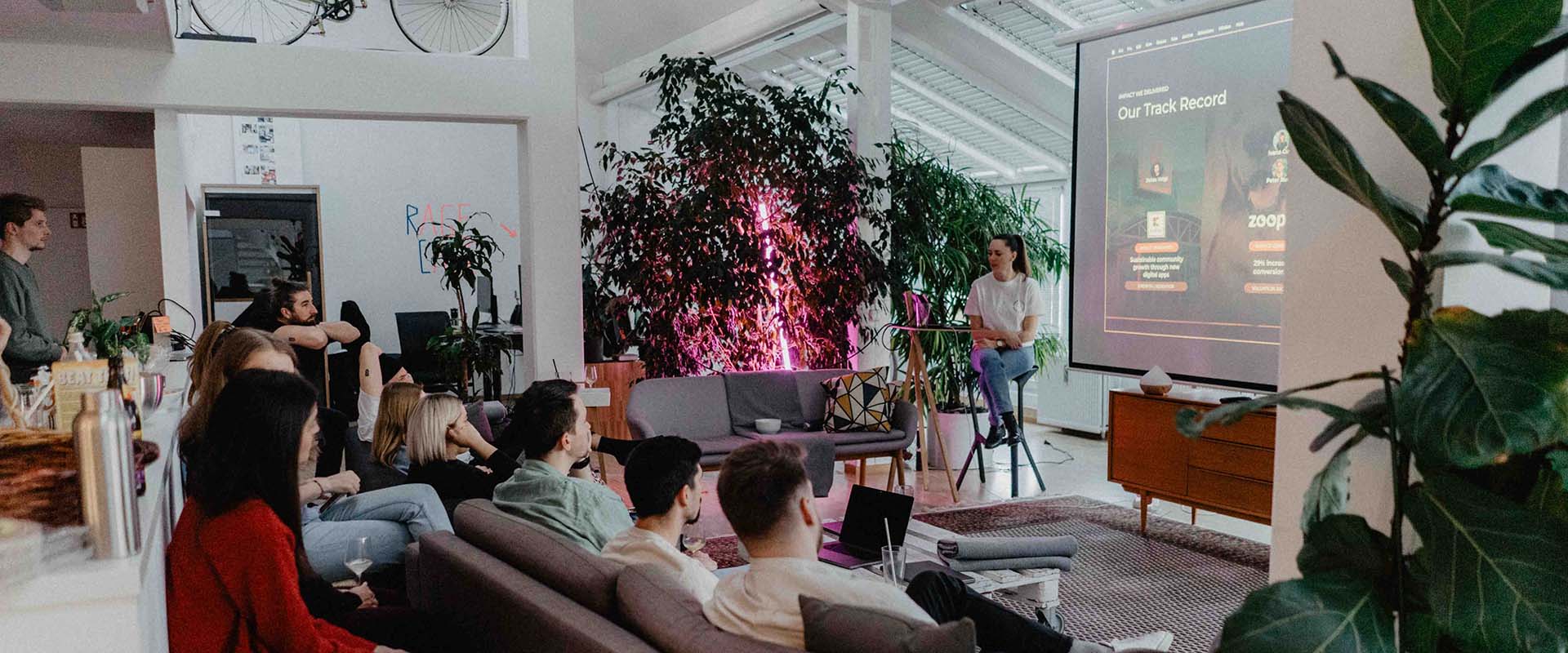
At COBE, each team has its own knowledge-sharing structure, created for its own needs and purposes:
Add to that events like Creative circus, UX/UI café, retros, huddles, and COBE Camp, and you get a culture where learning flows naturally. But, keep in mind growth doesn’t come only from management or HR. It comes from individual motivation, team curiosity, and the ongoing desire to improve processes and try new things.
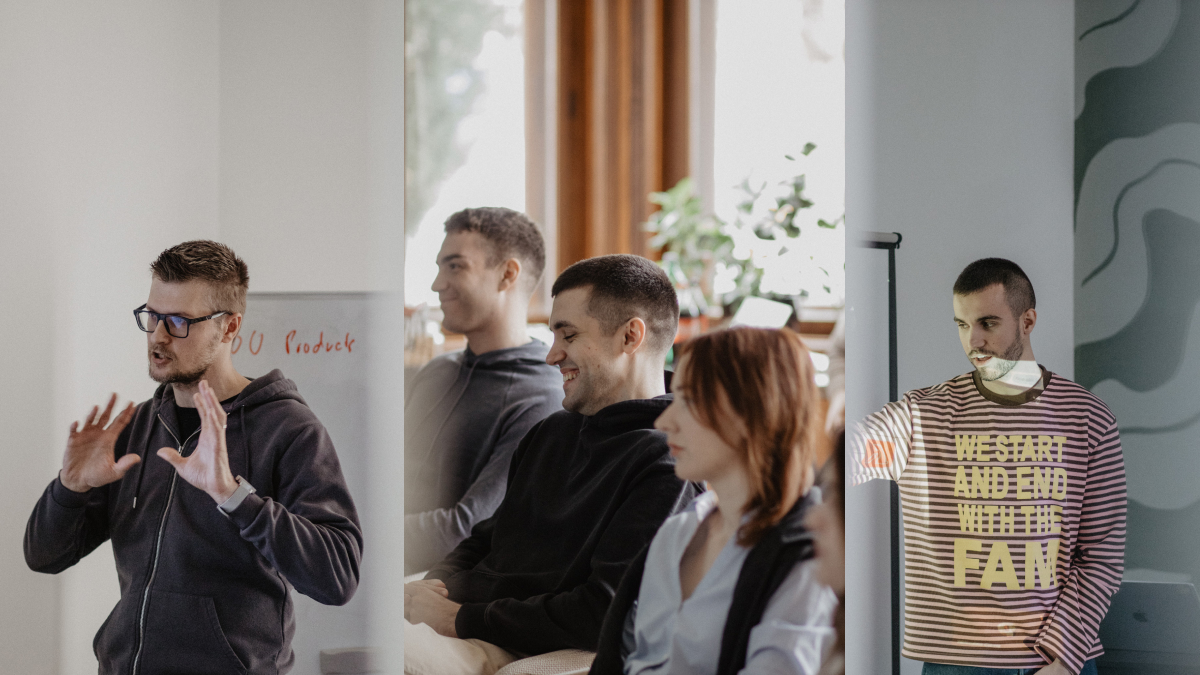
HR is so much more than hiring and paperwork. While your company focuses on growth and attracting new talent, staying connected to the people already inside your walls is just as important, if not more. Your culture, feedback practices, mentoring structures, leadership development, role flexibility, and knowledge-sharing initiatives all shape how your team grows, learns, and shows up every day.
When you build an environment where people feel supported, trusted, and encouraged to explore their interests, you’re not just developing employees, you’re building loyalty. You’re building leaders. You’re building a team that evolves as fast as your industry does.
And all of that pays off: stronger business outcomes, a healthier internal culture, higher retention, better employer branding, and a workplace people genuinely want to be part of.
If you’re thinking about investing more in employee development, start now. And if you ever need a little inspiration, structure, or real-world examples, you know where to find us.
Merle is an HR Manager at COBE, working remotely from Hamburg. She’s dedicated to fostering a company culture where everyone feels seen and valued, no matter where they work from.