9 min read

Published
December 10, 2025
The Invisible Storefront: How AI Eats the Customer Journey

Felix
Co-Founder & Managing Director

Not long ago, online shopping was simple: people clicked through websites, scrolled product images, read reviews, added items to the cart, paid, and that was it. Today, a single question is often enough: “Which running shoes absorb pressure on my knees on uneven terrain?”
Welcome to 2025. You’re no longer Googling, asking customer support, or talking to someone at a counter – you’re asking an AI. You aren’t using a website to make a decision but an AI that compares, evaluates, recommends, and even completes the purchase. This means customers are no longer on your website making a decision. They aren’t visiting your landing page, seeing your banner, or encountering your brand.
This is where the challenge lies – your storefront still exists, but it’s now invisible, existing only for machines. Let’s explore the world of AI-driven shopping.

For years, the rules were clear: rank high in search engines, earn clicks, visibility, sales, and revenue. That mechanism is breaking down. Today, tools like Perplexity AI, Google Search Generative Experience (SGE), and ChatGPT Voice deliver direct recommendations instead of long lists of links. If these AIs aren’t mentioning your brand, you effectively don’t exist for your customers. The customer journey no longer starts on your homepage, but with a question to an AI – a whisper to Alexa, a tired “Hey Siri…,” or a quick “ChatGPT, order me some Ben & Jerry’s.”
We always imagined the future with flying cars. In reality, it’s about building a store for robots. Visibility alone is no longer enough, as your store must also be readable by machines. SEO may have ruled the past, but now AEO (Answer Engine Optimization) is king. This means using structured data instead of vague product descriptions, semantic signals for algorithms, and open interfaces agents can act upon. If a machine can’t understand you – you’re invisible.
This changes everything, including your audience, because your brand must now convince both humans and machines. This means thinking beyond human users and making products understandable and useful so AI can easily interpret them. It’s essential to consider how AI will interact with your product, ensuring that interfaces support these interactions naturally.
Interfaces designed for AI need a different approach than traditional storefronts. In the past, designers implemented branding guidelines and called it a day, while today, they must anticipate, adapt, and respond in real time. They are not just crafting click flows but environments where users feel understood and guided. Interfaces now adapt dynamically, changing layout, colors, tone, and content depending on mood, context, and time of day. In that sense, you can say they are no longer passive surfaces.
However, machines don’t see colors, feel tone, or track scroll depth. They interpret semantic patterns, structure, and trust. When building for machines, designs must allow agents to correctly interpret and recommend your brand. In this case, UX becomes behavioral architecture, for humans and machines alike, demanding that designers understand human-AI communication, design context-aware experiences, and focus on dialogue rather than navigation.
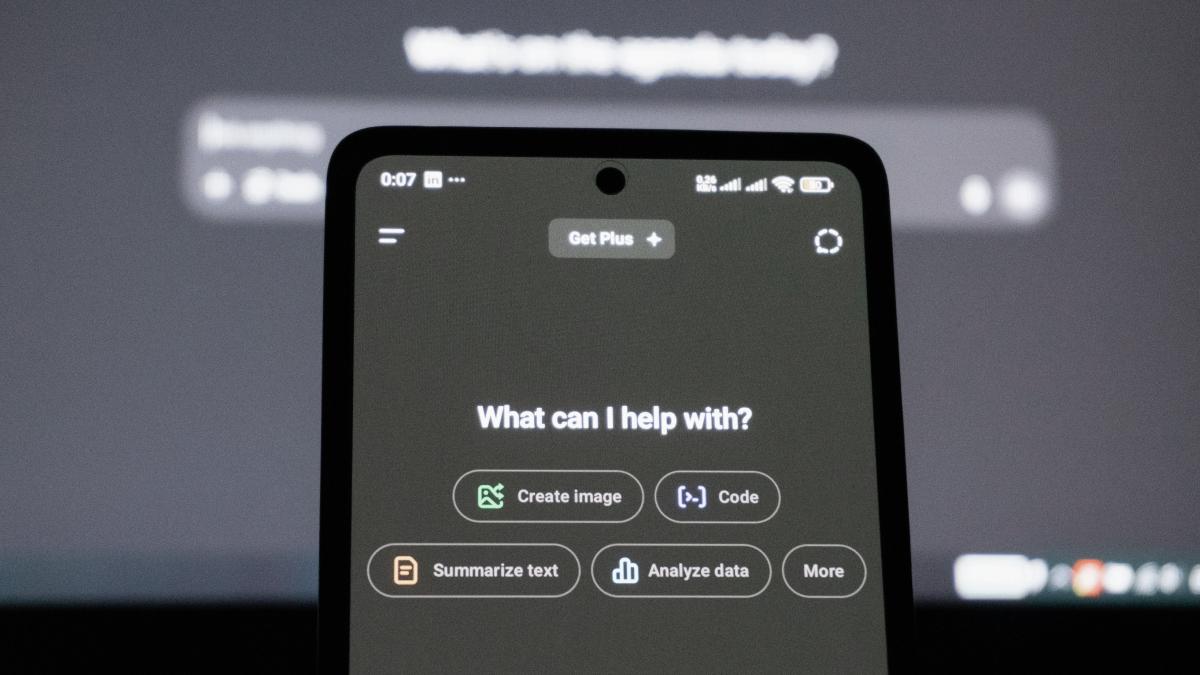
A storefront needs a few key capabilities to be visible to AI. This starts with prompt literacy, understanding how people actually talk to AI and how their intent shows up in prompts. Providing context helps AI make sense of actions and decisions, while important information should be easy to find to allow AI to quickly pick up on relevant details. Even small details like product titles or descriptions signal relevance and reliability, enabling AI to confidently recommend and act on behalf of users.
The experience itself should be adaptive, adjusting to different contexts instead of staying static. On top of that comes conversational design, where people can navigate through natural dialogue rather than traditional navigation. And finally, the brand needs a machine-readable structure so AI agents can recognize it, interpret it correctly, and confidently recommend it. That means understandable, emotional, semantic, and technically coherent, even if invisible at first glance. Brands failing to invest in machine-readable identity lose customer access. We call this the Design Tightrope at COBE, balancing adaptability with recognizability. Interfaces must adjust but never lose identity.
But you can’t forget your human customers. While these kinds of interfaces must make sense to machines, your brand must still look good to humans. By applying consistent brand principles, as we do when putting our UXi method into action, brands remain recognizable even when AI tools are the ones interacting with their storefronts. UXi helps ensure that your brand communicates clearly, builds trust, and resonates emotionally, even in an invisible, AI-mediated customer experience.
If AI is controlling the storefront, you will likely face a new challenge – where does the brand experience now happen? The good news is, the journey doesn't need to end when the customer purchases something. Even if AI handles the initial choice, brands can still shape touchpoints to stay relevant. These can be memorable unboxing experiences, the experience of using an app, or small moments such as “I hope it comes with a charger”. Some brands intentionally design for these “second first impressions,” and this is where hyperpersonalization shines.
Traditional demographics like “male, 30–40” are increasingly irrelevant. Personalization now means understanding real behavioral patterns, such as “Drinks a latte at 9:15, prefers oat milk, and likes trying new things.” Starbucks is a great example here. As AI analyzes purchasing behavior and tailors offers across thousands of micro-segments, every customer becomes its own micro-market. Loyal customers receive discounts and early previews and baristas can instantly see preferences, giving interactions that personal, human touch.
Hyperpersonalization isn’t just a nice-to-have, customers expect it. According to Twilio, 62% of consumers expect personalization and would lose loyalty if it’s missing. PwC reports 49% are more likely to return when offers are personalized. Loyalty comes from repeat visits and experiences that feel like time well spent, not first impressions and advertising. This is what makes hyperpersonalization the way to go if you want to stand out in the AI era.

In a world where AI sees your brand before your customers do, your storefront isn’t gone, but your customer journey has changed. This means opportunities are elsewhere. Imagine an AI looking at your brand for just five seconds. Does it instantly understand who you are? Does it feel it can trust you? And is the impression strong enough for a recommendation?
As AI initially “consumes” only the portion of the customer experience leading up to purchase, post-purchase design is crucial, ideally hyper-personalized, with experiences that feel like time well spent. Brands that fail to invest in machine-readable identity face losing customer access.
It will be fascinating to see how agents, knowing your preferences, pre-filter potential search results and what that ultimately means for users.
I presented this topic as a keynote at the Shift/CX conference in Munich. Feel free to reach out if you’d like to dive deeper!
Felix is the CEO and one of the co-founders of COBE always looking for ways to make the world a little more beautiful.