9 min read

Published
July 1, 2026
What Running an International End-to-End Agency Taught Us

Ines
Managing Director

As an international end-to-end agency that handles projects from design to development to handoff, how does COBE make it work day-to-day? That's what I want to get into here, whether you're thinking of working with us or just looking for some examples to learn from.
The way COBE works didn't happen overnight. The projects we've worked on and the hurdles we've faced as an international team have shaped how we work, and while every company is its own thing, this is the kind of stuff you usually only pick up talking one-to-one with other company leaders. So why keep it to myself?
If your company has worked with an agency before, especially a large one, chances are you've run into some common issues.
These are all consequences of how an agency is built and organised. We've tried to build COBE specifically to resolve these kinds of problems. So before I share what we've learned, it's useful to look at how COBE came to be structured the way it is, because how an agency works internally is pretty much how it also works externally.
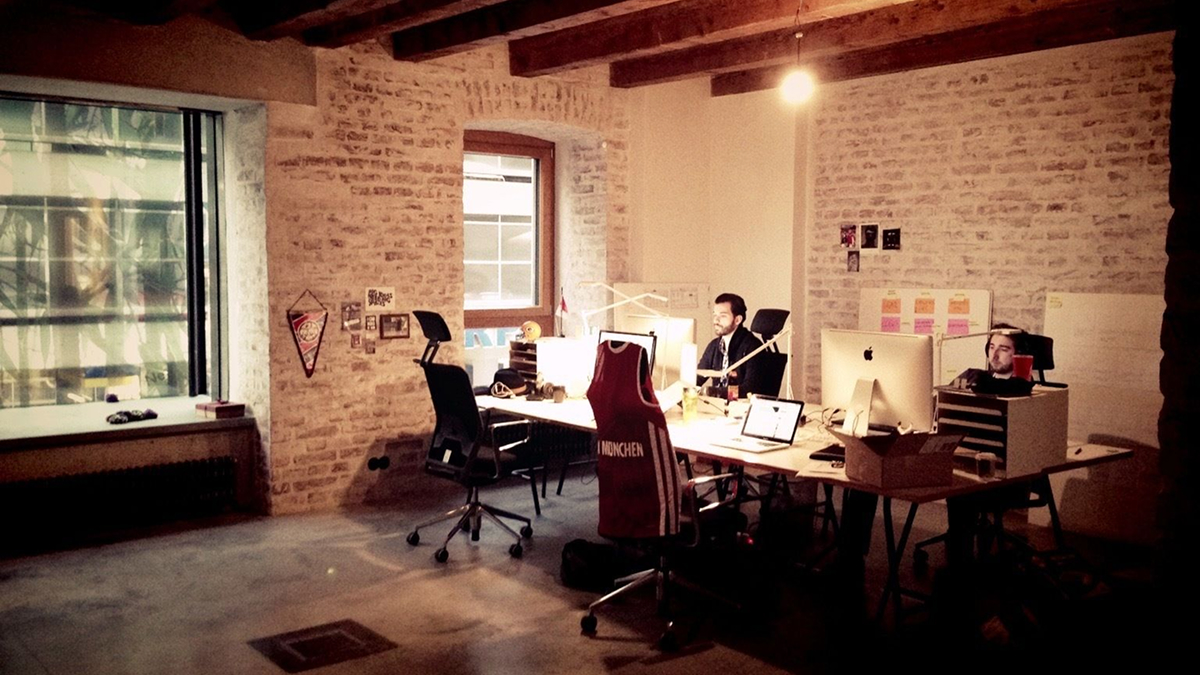
COBE started out in Munich, and to understand our clients better, we knew we had to put ourselves in their shoes. Literally. That's how Kickbase, Europe's first mobile fantasy sports manager, our very own product, got started.
Soon after, the company expanded to Croatia, and that's where the international journey began. The differences between the German and Croatian teams were something we had to learn how to solve along the way. We Croats tend to put stability and security on top, whereas our colleagues in Germany talk about individuality and creativity more. Ah, do we gotta be so serious all the time? 😭 But hey, maybe we’re breaking up some stereotypes here.
These kinds of differences have caused some debates and disagreements at times, and it would be dishonest to ignore that. Occasionally, we would gather for workshops to understand each other better and improve how we work together. Imagine our faces when we both said in one workshop that we’re more direct than the other side? Broken telephone, anyone?
What we realised in the end is that the best way to bridge these kinds of gaps is to put people from different teams on the same projects. It's like when moms say "hug it out". When you go through the highs and lows together, people bond and realise the differences aren't that big a factor, and that they're all working towards the same goal.
And while workshops are useful, they won’t help as much if you’re not actually talking regularly. That’s when you start seeing it as a human relationship, because, well, that’s what it is. True bonds are built when you go through challenges, deadlines, and deliver a successful project together. That’s what we’ve seen happen on our BMW project, where we’ve had mixed teams throughout the years.
It's one thing I've seen a lot of agencies get wrong. And hey, we got it wrong too, and it's one of the biggest lessons we've had to learn. If people are on the same team but never actually working together, they might as well not be. No shared projects means you don’t build real relationships and real team culture. This especially matters when your teams are remote. If you’re in the office together, you meet up for lunch and chat on breaks, and none of that happens on its own over Slack.
So that’s why working together matters so much. It builds stronger teams, and it pulls in a wider range of opinions, which counts double when the team's spread across countries.
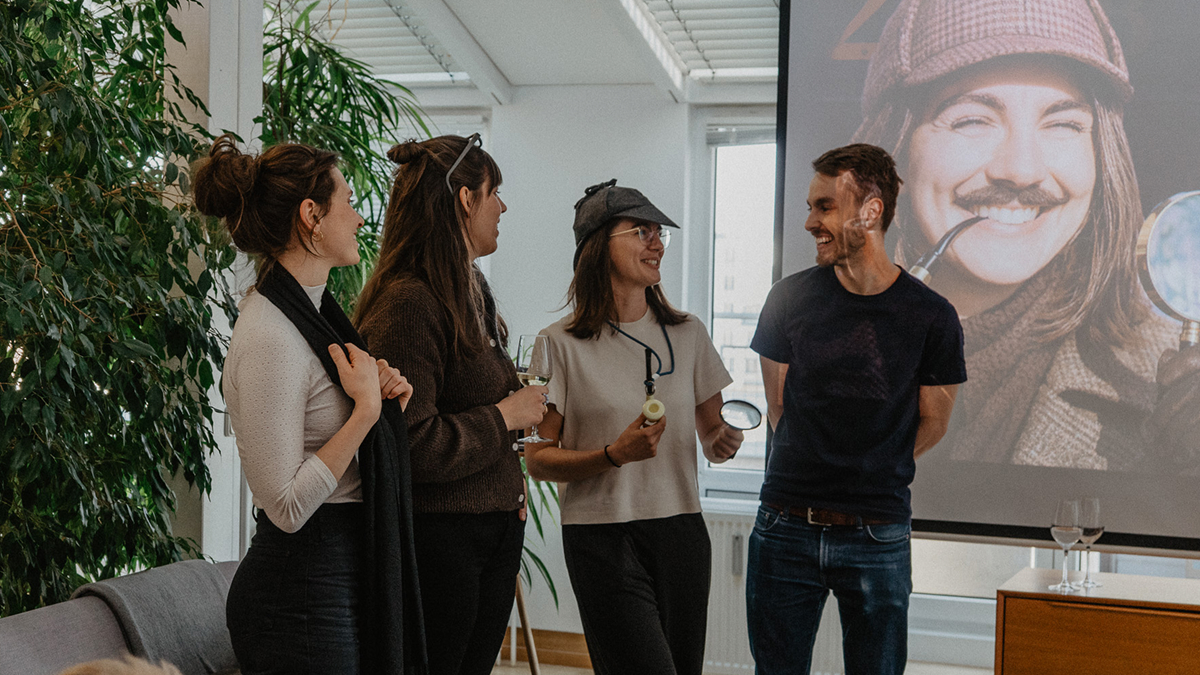
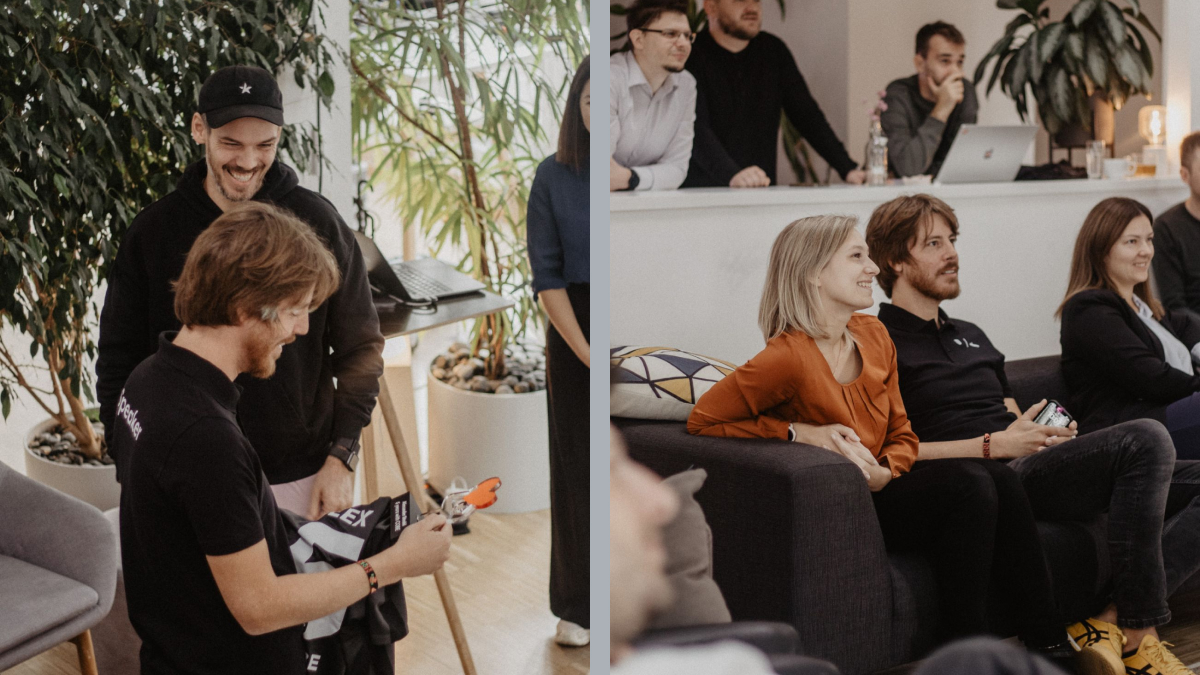
Since our offices are a flight (or a really long drive) away, our work is primarily done remotely, but we've found meeting in person is really important for building teams.
So when we're celebrating wins or gathering for workshops, we move away from the screen and meet in person. We're lucky there's a direct Munich–Osijek flight, which makes it really easy. Our Munich teammates can be in Osijek for lunch, get their meetings and work done over the next two days, and be back in Germany just as quickly. And I may be a bit biased, but I think they like coming for the food here…
However, getting together isn't just about meetings and food. We run workshops and knowledge sharing for both teams, hold regular COBE Camps (international ones too), feedback rounds and goal checks, all work that keeps everyone on the same page. Communication is really important, because this is where you move away from the business mindset, which can be stifling at times, and realise the person on the other end is also just, well, a person.
So it doesn't make a difference who's in which office when working together. A team lead might be in Munich and their teammate in Osijek, and they work just as well together. And if you're a client, the only way you can tell who's from which office is by their last name. And maybe a slightly more Slavic accent.
All of this is what we apply to client relationships, too. Above all, we want our clients to feel human and understood. That's why we put communication first. Defining expectations is a must, and I hold that leadership should always be reachable. If there's an issue, you can be certain a managing director will always jump in to help.
And it’s why we encourage in-person meetings with clients, too. We like to visit them often, or host them in Osijek or Munich. J. Wagner GmbH, for example, has been visiting us in Osijek for almost a decade now. And despite the early disappointment that Osijek isn't on the Adriatic coast, they always come back for more. Remember what I said about the food?
Remember those three headaches from the start? Over the years, we set out to build COBE in a way that resolves those kinds of issues. So here's how we address each one of those issues:
None of this is magic. It's just what happens when an international team spends years learning to work as one, and then treats its clients the same way it treats itself.
So whether you came here to work with us or just to borrow an idea or two for your own team, I'm glad I didn't keep it to myself.
If you’d like to keep the conversation going, don’t hesitate to reach out. My calendar is always open – literally. Just find a slot that works for you!
In a rush? Worry not, we’ve prepared a quick summary for you.
What is an end-to-end agency? An end-to-end agency handles a digital product from start to finish in one organisation rather than splitting it across separate vendors.
Where are COBE's offices? COBE has two offices, Munich, Germany and Osijek, Croatia, connected by a direct flight. They operate as one team rather than two separate offices.
Does it matter which office works on my project? No. Munich and Osijek work as a single team.
How does COBE keep two international teams aligned? Through shared workshops and knowledge sharing, regular COBE Camps, and simply working on the same projects together.
How does COBE work with clients day to day? Communication first: expectations are set early, leadership is always reachable, and we organise frequent in-person meetings.
Ines leads the COBE team in Croatia as Managing Director. When she's not doing that, she's probably planning her next trip, or is just back from one with a whole new story to share.